Terra Madre in Turin: The Piedmont Carlo Petrini Taught the World to Taste
When Turin becomes a table
There are moments when a city seems to change its rhythm. In late September, Turin will have one of them.
The elegant squares of the historic centre — Piazza San Carlo, Piazza Castello, Piazza Carlo Alberto, Piazza Vittorio and the streets connecting them — will fill with producers, farmers, cooks, artisans, researchers and travellers arriving from different corners of the world.
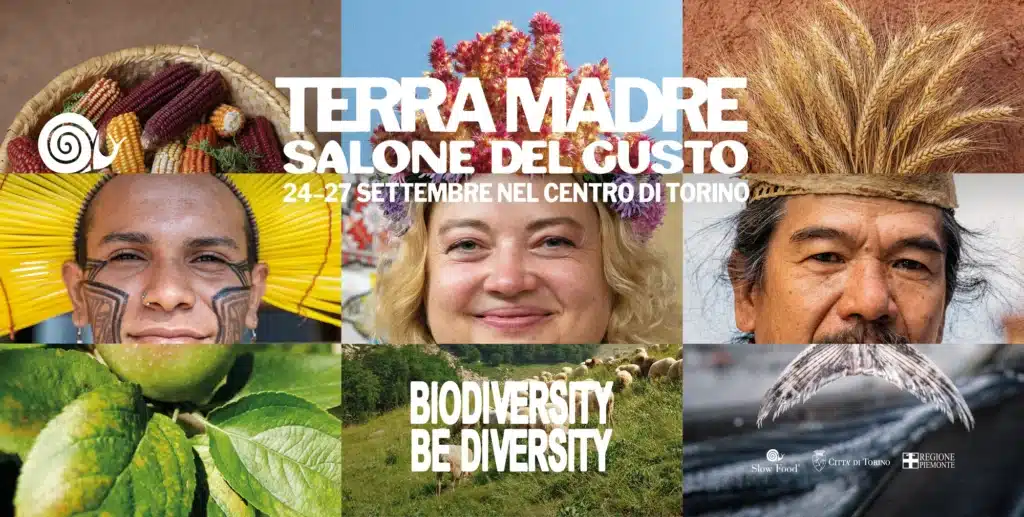
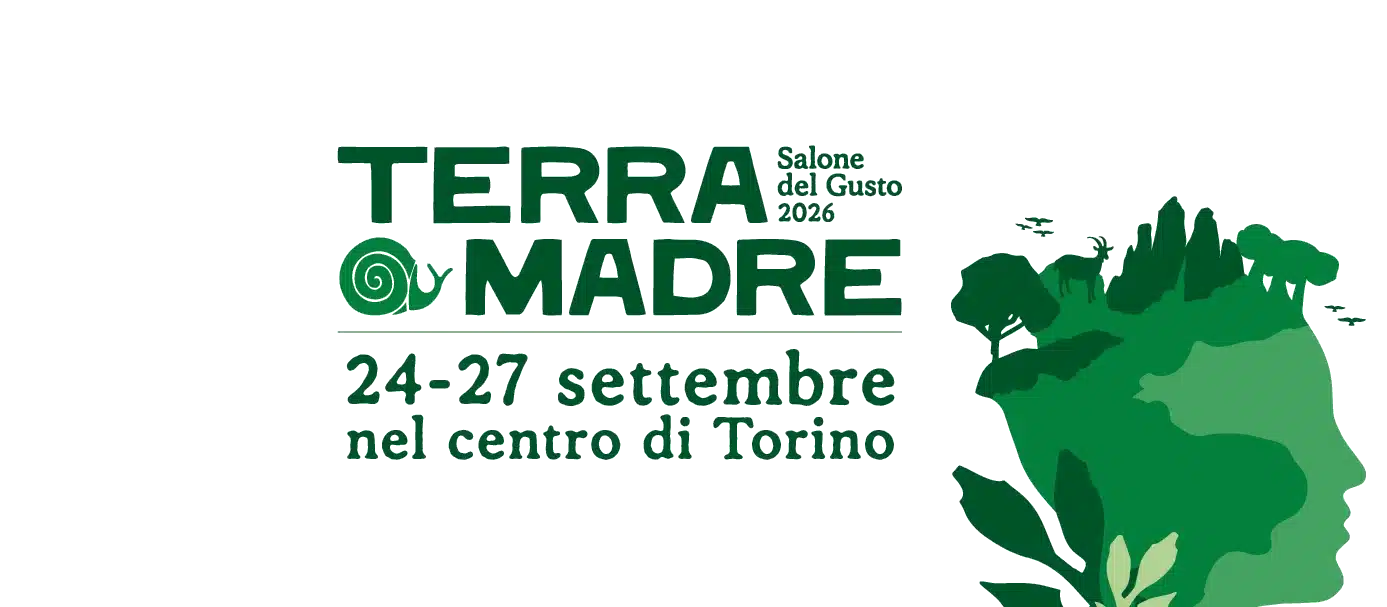
For a few days, Turin will become something more than a city. It will become a table. From September 24 to 27, 2026, Terra Madre Salone del Gusto returns to Turin for its sixteenth edition, bringing together food communities from more than 120 countries. The event will focus on one of the most important questions of our time: how can we protect the extraordinary diversity of the food, cultures and ecosystems on which our future depends?
The answer begins with a simple word: Biodiversity.
But in Piedmont, biodiversity has never been an abstract concept.
It can be found in a vineyard overlooking the Langhe. In an alpine cheese made in a small mountain valley. In an old variety of apple. In a forgotten recipe. In a family winery. In the hands of a farmer who knows the soil of his fields almost as intimately as he knows his own family.
And perhaps this is why Terra Madre belongs in Turin. Because to understand the event, you need to understand the land that gave birth to its philosophy.
Index
A different idea of food
Today, the expression food culture is used everywhere. But in Piedmont, food has always been something more profound. It is connected to landscape, seasons, memory and community.
Think of the hills south of Turin, where vineyards follow the contours of the Langhe. Think of Alba and its white truffles, of Barolo and Barbaresco, of hazelnuts from the hills, Castelmagno cheese from the mountains, agnolotti prepared according to recipes that have crossed generations.
None of these things exists in isolation. A wine is connected to its vineyard. A cheese is connected to a mountain. A recipe is connected to the people who preserved it. And a landscape is connected to the people who have learned how to live from it without exhausting it.
This relationship between food and place is at the heart of Terra Madre.
The event was created around the idea that those who produce food are not simply suppliers in a global economic system. They are keepers of knowledge, biodiversity and cultural identity.
That idea may sound obvious today.
It was much less obvious when Carlo Petrini began speaking about it.
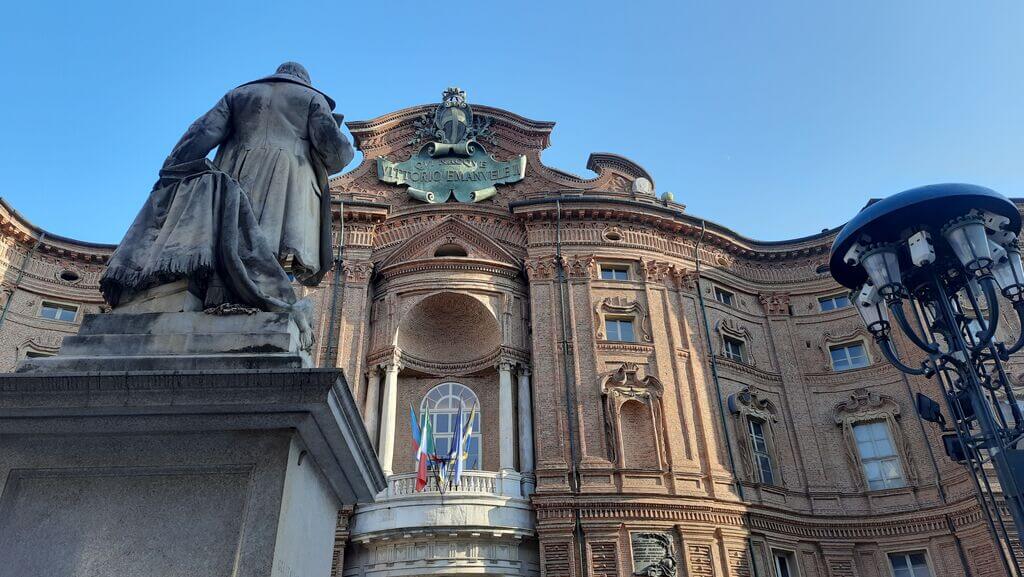
Private walking tours of Torino with expert local guides
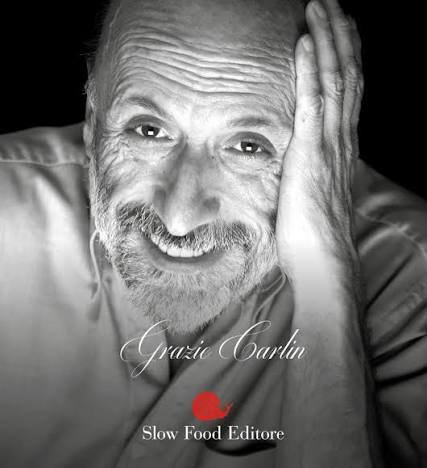
Carlo Petrini: the man from Bra who changed the way we think about food
To understand Terra Madre, it is impossible to separate the story of the event from the story of Carlo Petrini.
Petrini was born in Bra, Piedmont, in 1949, only a short distance from some of the landscapes that today attract travellers from all over the world.
He was a journalist, gastronome and writer, but above all he became an advocate for a different relationship with food and the natural world. In 1986, he founded Arcigola, which would later become Slow Food Italy; in 1989, the international Slow Food movement was officially established.
Piedmont Tours
Langhe Food & Wine Tours
Authentic Experiences in the heart of Piedmont, Italy
His idea was revolutionary precisely because it was not complicated. Food should be good, clean and fair.
Good, because pleasure matters.
Clean, because the production of food must respect the environment.
Fair, because the people who grow, raise, catch, prepare and sell food deserve dignity and a fair livelihood.
It was an idea that began in Piedmont and eventually crossed borders, cultures and continents. And then Petrini imagined something even more ambitious. What if the people producing food around the world could meet one another? What if farmers, fishers, breeders, cooks, artisans and communities could exchange knowledge rather than simply compete in a global marketplace?
The answer was Terra Madre.
From Bra to the world
The first Terra Madre took place in Turin in October 2004.
Almost 5,000 delegates came together, representing food communities from 130 countries. Farmers, fishers, breeders, artisans and producers who were often far removed from the centres of political and economic power suddenly found themselves at the centre of an international conversation about the future of food.
It was an extraordinary idea. And perhaps the choice of Turin was not accidental. Turin is a city accustomed to transformation.
Once the capital of the House of Savoy and the first capital of unified Italy, it later became an industrial powerhouse and the birthplace of Italian cinema, design and automotive culture. But behind the grand boulevards and royal palaces lies another Turin: the city of cafés, markets, small food artisans and historic traditions.
And beyond Turin lies the countryside. The vineyards. The farms. The hills. The villages. The mountains. The landscapes that have always given the city something to eat, drink and remember.
Terra Madre created a bridge between these worlds.
And that bridge has continued to grow.
Biodiversity – Be Diversity
The theme of Terra Madre 2026 is “Biodiversity – Be Diversity.”
At first glance, biodiversity might seem like a subject for scientists, environmentalists or farmers. But look at a Piedmontese table and the meaning becomes much easier to understand.
Biodiversity is the difference between hundreds of grape varieties and a world where only a handful survive.
It is the difference between a mountain cheese made according to local traditions and a standardized product that could have been made anywhere.
It is the difference between a forgotten vegetable disappearing from the countryside and a farmer deciding to cultivate it again.
But Terra Madre goes further.
For Slow Food, biodiversity is not only agricultural. It is also social and cultural diversity — different traditions, knowledge, communities and ways of living. And this is perhaps one of the most fascinating ideas to take away from Terra Madre.
A world with more biodiversity is not simply a world with more species. It is a world with more stories. More knowledge. More possibilities. More ways of imagining the future.
Personalize your private tour of Piedmont
When Turin becomes Terra Madre
In 2026, Terra Madre will once again make the historic centre of Turin part of the experience.
The event will spread through some of the city’s most beautiful squares, including Piazza San Carlo, Piazza Castello, Piazza Carlo Alberto, Piazza CLN, Piazza Solferino, Piazza Vittorio and Piazza Valdo Fusi.
There will be an international market, producers, tastings, workshops, educational activities, conferences and opportunities to meet the people behind the food.
But the experience will not stop at the main event.
The Terra Madre OFF programme will extend across Turin and Piedmont, with dinners, exhibitions, book presentations, meetings and guided experiences. The wider journey also includes Road to Terra Madre, a programme of initiatives taking place in Italy and around the world before the Turin event.
This is important. Because Terra Madre was never meant to be simply a food fair. It is a meeting place. A place where the person who grows something can meet the person who eats it. Where a tradition from one part of the world can encounter another. Where food becomes a language.
And Turin, with its elegant streets and intimate cafés, is a remarkably beautiful place for such a conversation.
Beyond Turin: following the flavours into Piedmont
But there is another way to experience Terra Madre. You can leave the city. In fact, you should.
Because if Terra Madre is about understanding the relationship between food, people and territory, the best place to continue the journey is the territory itself.
Drive south from Turin and the landscape slowly changes. The city disappears. The roads begin to climb. The hills of the Langhe appear, covered with vineyards that seem to follow the curves of the earth.
This is the Piedmont of Barolo and Barbaresco.
It is also the Piedmont of small villages, family-run wineries, hazelnut groves, local cheeses and long lunches that still have no interest in being rushed. Here, the philosophy behind Terra Madre becomes tangible.
You can meet a winemaker and taste a wine where the character of the soil is almost as important as the grape. You can sit at a table in a small restaurant and discover dishes that have remained remarkably faithful to their origins. You can walk through Alba, where the autumn landscape is inseparable from the world of the white truffle. And you can continue to Bra, the town where Carlo Petrini was born.
Suddenly, the story becomes personal.
Bra and Pollenzo: where an idea became a place
A short distance from Bra lies Pollenzo, an extraordinary historic estate whose story is now closely connected with the international study of food.
In 2004, the same year that Terra Madre was launched, the University of Gastronomic Sciences opened its doors in Pollenzo, creating the world’s first university devoted to an interdisciplinary approach to food and gastronomy.
The idea was bold. Food was not merely something to cook. It was something to study.
History, agriculture, economics, anthropology, culture, environment and pleasure could all meet around the same table.
It was another expression of Petrini’s belief that food could become a way of understanding the world.
And perhaps there is no better place to feel the connection between these ideas than here, among the vineyards and villages of southern Piedmont.
A landscape worth tasting
There is a particular pleasure in travelling through Piedmont in September.
The summer heat begins to soften. The vineyards are approaching harvest. The countryside takes on warmer colours. Markets fill with the products of the season. And the first signs of autumn begin to appear in the Langhe.
For travellers arriving in Turin for Terra Madre Salone del Gusto 2026, this is an opportunity to do something more than attend an international food event. It is an invitation to discover where the food comes from. To understand the landscape behind the wine. The farmer behind the cheese. The village behind the recipe. The history behind the table.
A Piedmont food and wine tour can become a continuation of Terra Madre itself: from the international conversation taking place in Turin to the small places where food traditions are still lived every day.
And this is where travelling through Piedmont becomes different from simply visiting it.
You are no longer looking at a landscape.
You are learning how to read it.
Carlo Petrini's Piedmont
Carlo Petrini died in Bra on May 22, 2026, at the age of 76. His death came only months before Terra Madre returns to Turin. There is something deeply symbolic about that timing.
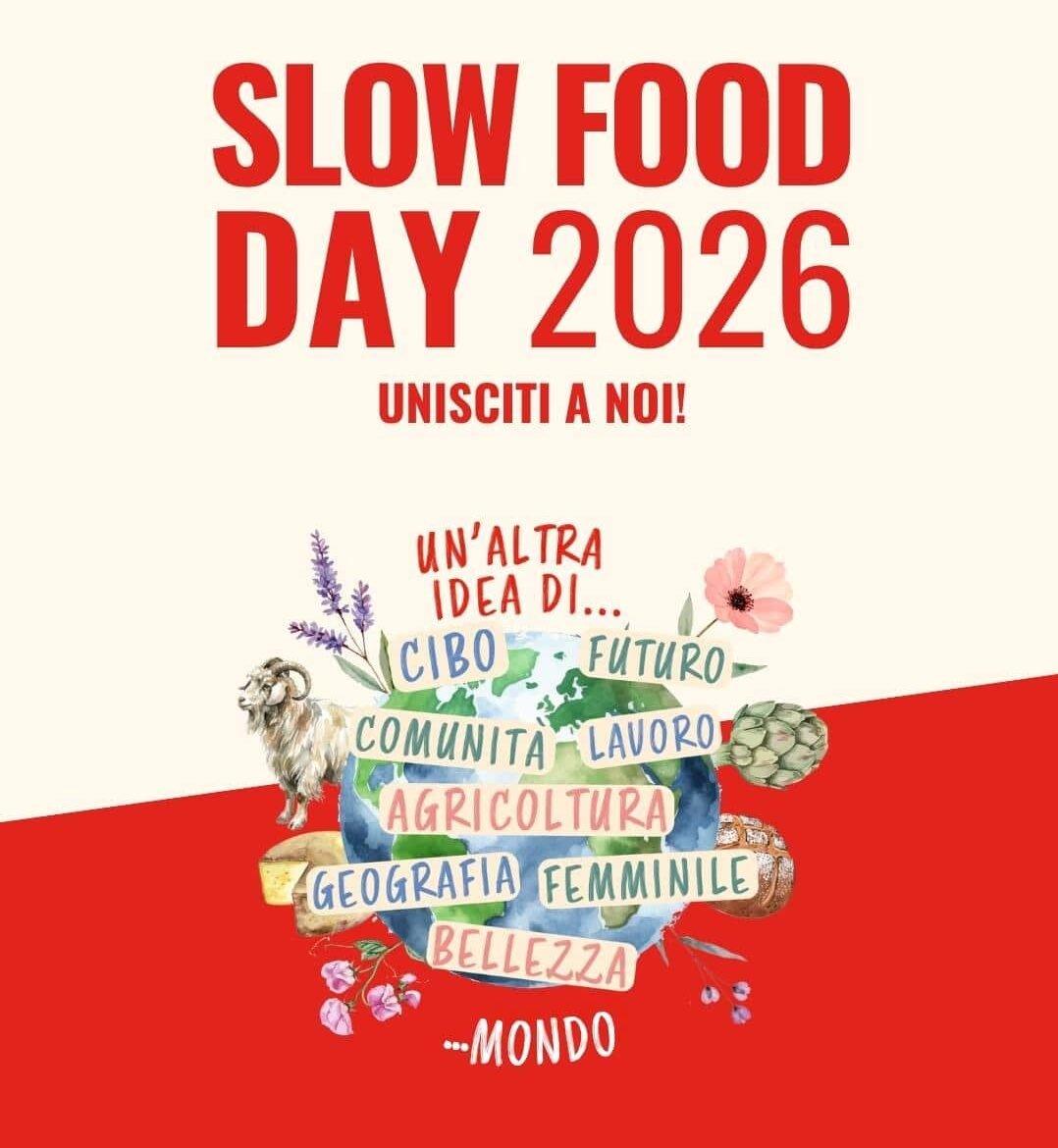
The 2026 edition will be a celebration of the 40th anniversary of Slow Food Italy, but it will also inevitably be a moment of remembrance. Yet perhaps the most fitting way to remember Petrini is not through a monument or a formal commemoration. It is through movement. Through people meeting. Through farmers continuing to cultivate traditional varieties. Through young people choosing to study food.
Petrini’s legacy is already scattered across Piedmont. It is in Bra. It is in Pollenzo. It is in the Langhe. It is in the Slow Food communities that continue to protect biodiversity.
And, for a few days every September, it is in the streets of Turin.
The journey does not end when Terra Madre ends
There is an old temptation when travelling to think that the important things are the places we manage to tick off a list. A museum. A famous restaurant. A vineyard. But some places ask something different from us. They ask us to slow down. To understand why a landscape looks the way it does. To ask who has cared for it. And what might happen if nobody did.
This is perhaps the deeper invitation of Terra Madre. Come to Turin. Taste the world. Then follow the road back to the land.
Visit the Langhe. Walk through Alba. Discover Bra and Pollenzo. Meet local producers. Taste Piedmontese wines. Sit at a table. Ask questions. Stay a little longer than you planned.
Because Piedmont is not simply a destination for food lovers. It is a place where food can teach you how to look at a landscape. And perhaps this is the most enduring legacy of Carlo Petrini.
He taught the world that food is never just what is on the plate. Behind it there is always a place. A story.
In the words Petrini loved to repeat: “Those who sow utopia reap reality.”
In September 2026, Turin will gather around the table once again. The conversation will continue. And somewhere beyond the city, among the vineyards and villages of Piedmont, the land will be waiting.
Why visit Piedmont during Terra Madre 2026?
If you are planning a trip to Italy around Terra Madre Turin 2026, consider allowing a few extra days to explore the region beyond the city.
From Turin, the landscapes of Piedmont are remarkably accessible, and a private, customized journey can combine the international atmosphere of Terra Madre with the authentic food and wine traditions of the region.
Discover the Langhe and its famous Barolo and Barbaresco wines, explore Alba and its truffle traditions, visit historic Piedmontese villages, meet local producers or combine a food and wine experience with a private tour of Turin.
At Piedmont Tours, we believe that the best way to discover Piedmont is not simply to see it, but to experience the people, food, wine and landscapes that make the region unique.
Terra Madre may bring the world to Turin.
A journey through Piedmont lets you discover the land behind the story.
FAQ: Terra Madre Salone del Gusto 2026
Terra Madre Salone del Gusto 2026 will take place in Turin from September 24 to 27, 2026. The main event will be held in the historic squares of Turin’s city centre.
The 2026 edition will spread through the historic centre of Turin, including Piazza San Carlo, Piazza Castello, Piazza Carlo Alberto, Via Roma, Piazza CLN, Piazza Solferino, Piazza Vittorio and Piazza Valdo Fusi.
Terra Madre Salone del Gusto is an international event dedicated to food, biodiversity, sustainable food systems and food communities. It brings together producers, farmers, fishers, cooks, researchers, activists and visitors from around the world.
The theme of Terra Madre 2026 is “Biodiversity – Be Diversity.” The theme highlights the importance of protecting not only agricultural and food biodiversity, but also the cultural diversity, traditional knowledge and communities that shape the world’s food heritage.
Carlo Petrini was a gastronome, writer and journalist from Bra, Piedmont, and the founder of Slow Food. He played a central role in creating Terra Madre and the University of Gastronomic Sciences in Pollenzo. He died in Bra on May 22, 2026, aged 76.
Terra Madre is an excellent opportunity to combine a stay in Turin with a journey through Piedmont. Popular destinations include Alba, Bra, Pollenzo and the Langhe, particularly for travellers interested in wine, truffles, local cuisine, historic villages and authentic food and wine experiences.
Absolutely. A private and customized Piedmont food and wine tour can be an ideal way to continue the Terra Madre experience beyond Turin, with visits to wineries, local producers, Alba, the Langhe and other destinations according to your interests and available time.
- Terra Madre Turin 2026: Food, Piedmont & Carlo Petrini - August 31, 2026
- The Mole: Secrets of the most legendary Torino’s Architecture - August 6, 2026
- 2025 Guide to Piedmont Wines - March 5, 2025